Boardroom Definition
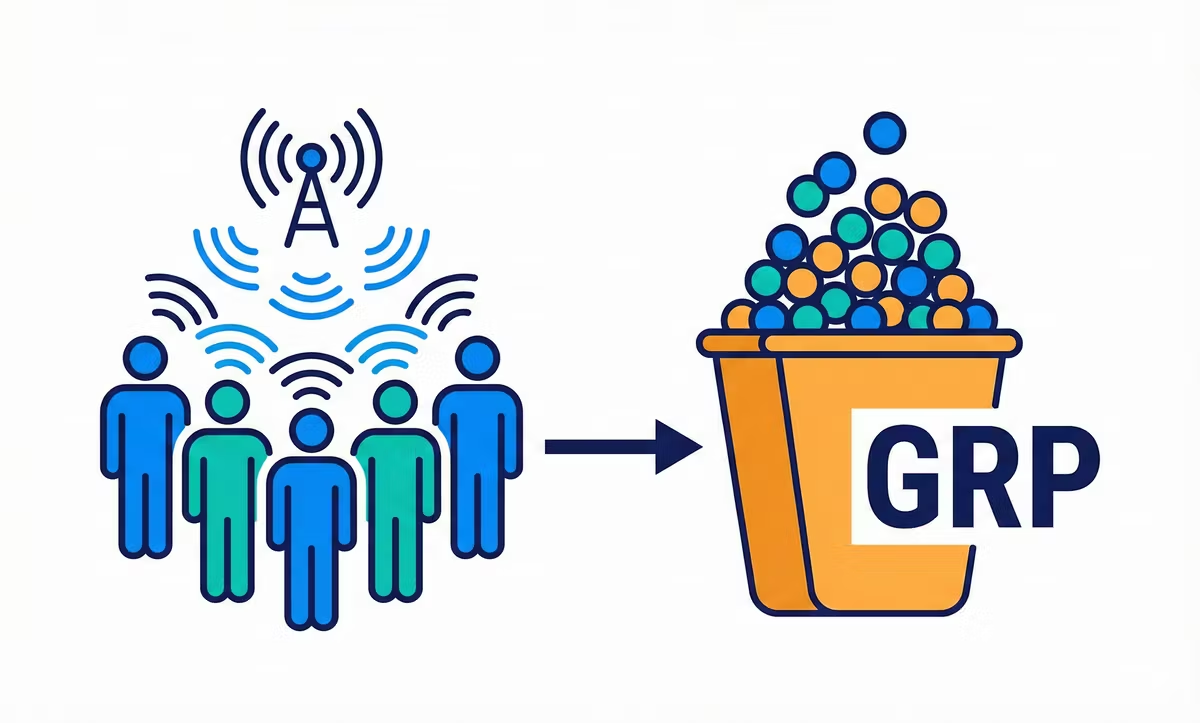
GRP (Gross Rating Point) is a standard unit of measurement in advertising that quantifies the total exposure of a campaign. It represents the sum of all rating points delivered, calculated as the percentage of the target audience reached multiplied by the exposure frequency. GRPs are used to compare the "weight" or intensity of media plans across different markets or time periods, regardless of the channel (TV, Radio, Digital).
The GRP calculation measures volume relative to the "universe" size.
- Formula 1 (Reach/Frequency): Reach (% of Audience) x Average Frequency.
- Example: If you reach 50% of your target audience an average of 4 times, your GRP is 200 (50 x 4).
- Formula 2 (Impression-Based): (Total Impressions / Total Target Population) x 100.
- Variable Definitions:
- Total Impressions: Gross count of ads served.
- Target Population: The total number of people in the defined universe (e.g., Adults 18-49 in the Detroit DMA).
- Variable Definitions:
- Cost Metric: The cost to purchase one GRP is known as CPP (Cost Per Point).
The Real Scoop
For decades, GRP was the currency of television. In 2026, it remains the critical "bridge metric" allowing planners to combine Linear TV and Connected TV into a single view. While digital natives prefer "Impressions," senior stakeholders and brand marketers still think in GRPs because it contextualizes the buy against the population size.
However, GRPs are purely a measure of volume, not impact. A campaign with 500 GRPs could mean you reached 100% of people 5 times, or 5% of people 100 times. The GRP number looks the same, but the strategic outcome is vastly different. Modern planning requires you to look "under the hood" of the GRP to balance Reach (new eyes) vs. Frequency (reinforcement).
Watch Outs
- Universe Definition Errors: You cannot add GRPs from different universes. A GRP calculated against "Adults 18-49" cannot be added to a GRP calculated against "Total Households." This is one of the most common math errors that occurs in cross-platform planning.
- Wasted Frequency: High GRP totals often hide excessive frequency. If your GRP is driven by hitting the same user 40 times, you have reached the point of diminishing returns and are wasting budget on annoyance rather than persuasion.
- The "Digital GRP": Be careful when vendors try to equate a 2-second digital view to a 30-second TV spot rating point. Not all GRPs are created equal in terms of attention.
External Resources
- Nielsen: The originators of the GRP and TV measurement standards.
- Marketing Accountability Standards Board (MASB): Definitions and standards for media measurement.
- Simmons/MRI: Research on audience universe sizes and demographics.