Boardroom Definition
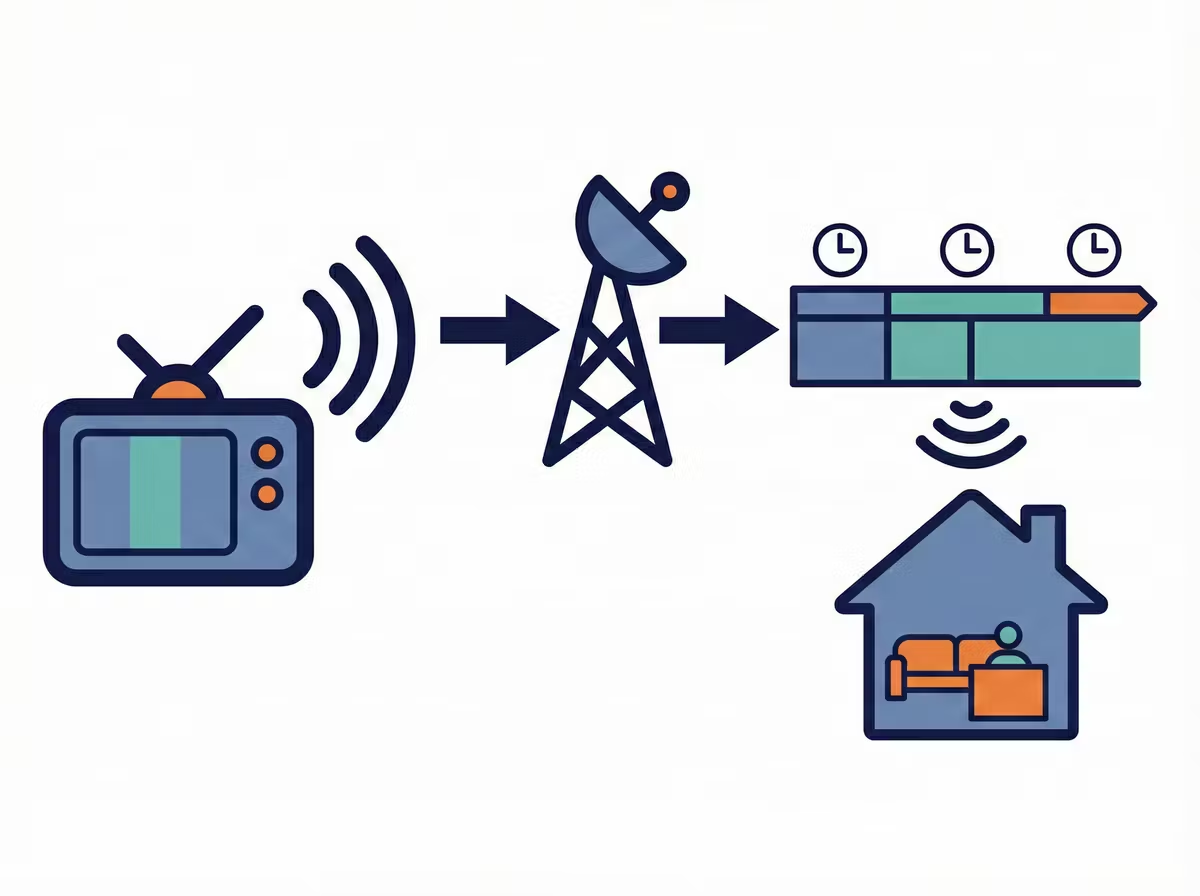
Linear TV refers to the classic "appointment viewing" model where audiences must tune in to a specific channel (e.g., ABC, CNN, ESPN) at a specific time to watch a program. It encompasses broadcast networks (via antenna), cable subscriptions, and satellite providers. Unlike on-demand streaming, the broadcaster controls the schedule, not the viewer. It remains the gold standard for achieving massive, simultaneous reach across a broad population.
Linear TV is bought and measured using GRPs (Gross Rating Points) rather than just impressions. A GRP is a measure of the size of an advertising campaign relative to the potential audience size.
GRP Formula = Reach (% of Audience) × Frequency (Average Exposures)
- Example: If you reach 20% of a target market and they see the ad an average of 4 times:
- 20 (Reach) × 4 (Frequency) = 80 GRPs
- Cost Calculation: Advertisers often negotiate on CPP (Cost Per Point), which is the cost to buy one rating point (1% of the population).
The Real Scoop
In 2026, reports of Linear TV's death are exaggerated, but its role has shifted. It is no longer the "only" game in town; it is the "Mass Reach Cannon." While younger audiences have migrated to CTV, Linear TV remains the only vehicle capable of aggregating 10 million+ people instantly—primarily through live sports (NFL, Olympics) and major cultural events.
The "Insider" reality is that Linear TV provides legitimacy. Digital ads can be bought by anyone with a credit card; a prime-time slot on a major network signals to consumers (and investors) that a brand has "made it." In these instances it is less about precise targeting and more about brand fame and share of voice.
Watch Outs
- The "Zero-Waste" Myth: Unlike digital, you cannot completely filter out "unwanted" viewers on Linear TV. You are buying the haystack to find the needle. If you need 100% targeting efficiency, Linear is the wrong tool.
- Measurement Lag: Unlike the real-time dashboards of programmatic, Linear measurement (historically Nielsen) has reporting delays. You often won't know the exact reach of your spot until days or weeks after it airs.
- Cord-Cutting Acceleration: Be wary of long-term "Upfront" commitments (buying ad space months in advance). Audience erosion can happen quickly, meaning the viewership you paid for in May might not exist by November.