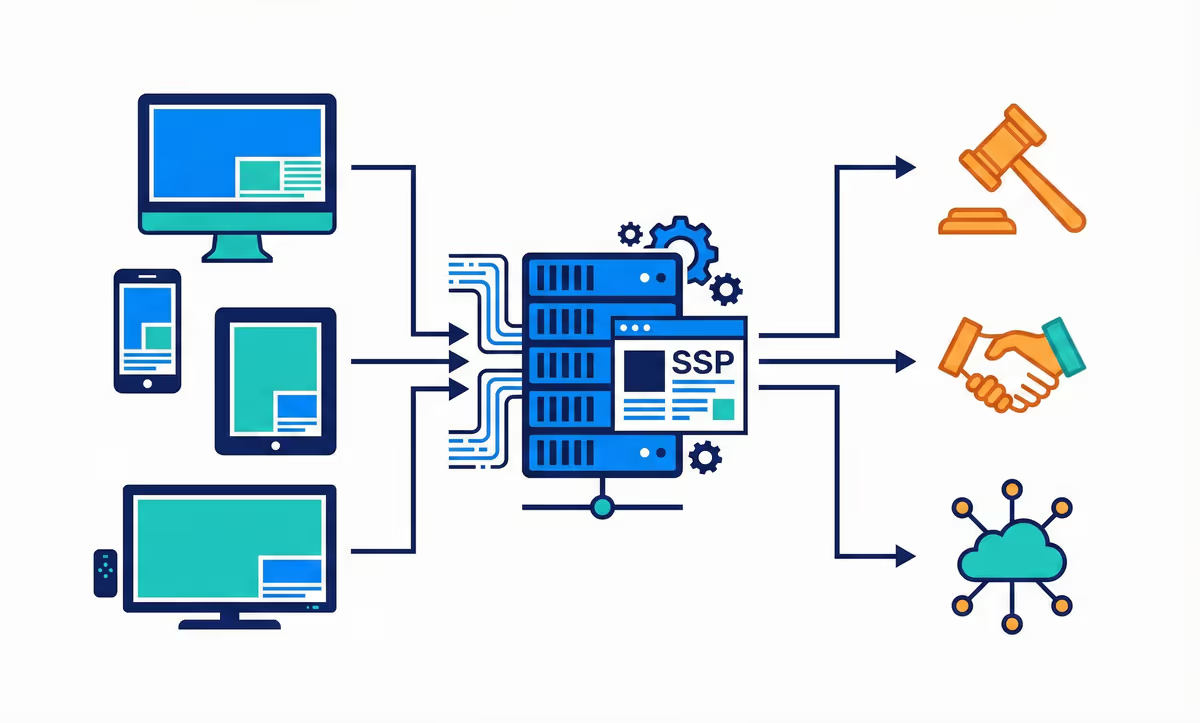
Boardroom Definition
An SSP (Supply Side Platform) is the publisher-facing equivalent of a DSP. It allows digital publishers (like The New York Times, apps, or streaming services) to automate the sale of their ad space. By connecting to multiple ad exchanges and Demand Side Platforms simultaneously, an SSP facilitates real-time auctions to ensure the publisher receives the highest possible price for every impression available.
The core function of an SSP is Yield Optimization, which relies on "Floor Pricing" logic to protect inventory value.
- The Logic: Winning Bid \ Floor Price
- If the highest bid from the DSP ($3.00) is lower than the Publisher's Floor ($4.00), the auction is rejected to prevent devaluation.
- Unified Auctions (Header Bidding):
- Unlike the older "Waterfall" method (checking buyers sequentially), modern SSPs utilize parallel processing.
- Max (Bid_A, Bid_B, Bid_C) = Winner.
- This ensures the absolute highest payer wins, rather than just the first buyer to meet the minimum price.
The Real Scoop
If the DSP is the "Buyer's Broker," the SSP is the "Seller's Auctioneer." In 2026, the lines are blurring as major players integrate both sides (e.g., Google Ad Manager).
The critical "Insider" context revolves around Supply Path Optimization (SPO). Advertisers are aggressively cutting out "middleman" SSPs that add fees without adding value. A single impression might be available on 5 different SSPs, but the fees might vary from 10% to 20%. Smart buyers use "SPO" to identify the most direct and cheapest path to the publisher, effectively forcing SSPs to compete not just on inventory access, but on fee transparency and technical efficiency.
Watch Outs
- Resellers vs. Direct: Many SSPs aggregate inventory they don't own. Always check the ads.txt file to confirm if an SSP is "Direct" (authorized by the publisher) or "Reseller" (a middleman of a middleman). Resellers often introduce latency and hidden fees.
- The "floor price" Trap: If a publisher sets their floor price too high in the SSP, they risk "unfilled impressions"—inventory that goes unsold because no brand was willing to pay the premium.
- MFA (Made For Advertising): Some lower-tier SSPs specialize in monetizing low-quality "clickbait" sites. Just because an SSP is large doesn't mean its inventory is premium.
External Resources
- Prebid.org: The open-source standard for header bidding and unified auctions.
- IAB Tech Lab: Documentation on ads.txt and sellers.json standards.
- AdExchanger: Industry news covering the consolidation of the SSP market.